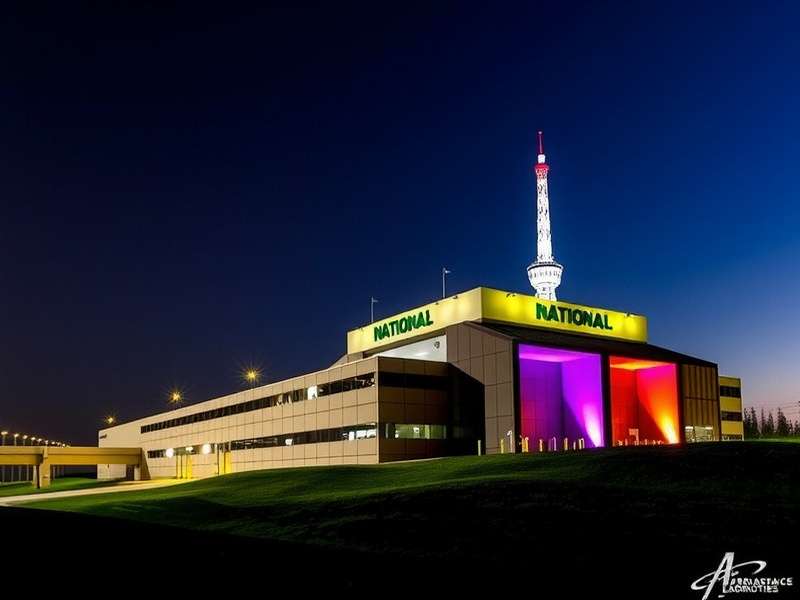
National Aerospace Laboratories (NAL) is India's premier aerospace research and development organization. For over six decades, we've been at the forefront of aerospace technology development, contributing to national defense, civil aviation, and space exploration.
Years of Excellence
Technical Staff
Research Projects
Countries Served
Established in 1959, National Aerospace Laboratories (NAL) is India's leading aerospace research and development organization under the Council of Scientific & Industrial Research (CSIR). Headquartered in Bangalore, the silicon valley of India, NAL has been instrumental in advancing aerospace technology and supporting India's indigenous aerospace programs.
Our mission is to develop aerospace technologies with scientific excellence for the self-reliance of Indian aerospace and allied sectors. We aim to provide innovative solutions through research, design, development, testing, and certification of aerospace systems and components.
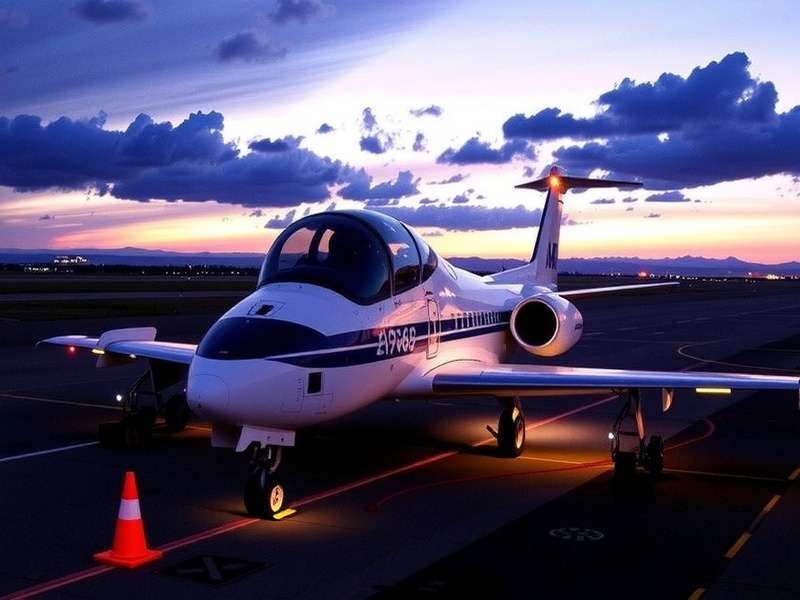
NAL has made significant contributions to major national aerospace programs including the Light Combat Aircraft (LCA) Tejas, Saras multi-purpose civilian aircraft, and various unmanned aerial vehicles (UAVs). Our research spans aerodynamics, structures, propulsion, materials, avionics, and systems integration.
Our Research Areas
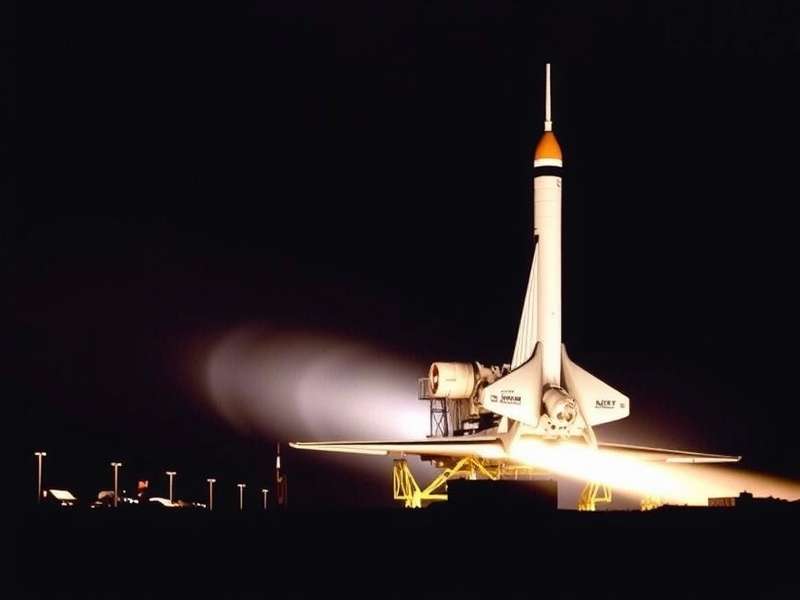
To be a world-class aerospace research and development organization that catalyzes the growth of Indian aerospace industry through cutting-edge technology development and innovation.
To achieve self-reliance in aerospace technology through research, design, development, testing, and certification of aerospace systems, contributing to national security and economic growth.
Excellence, Innovation, Integrity, Collaboration, and National Service. We uphold the highest standards of scientific ethics and professional conduct in all our endeavors.
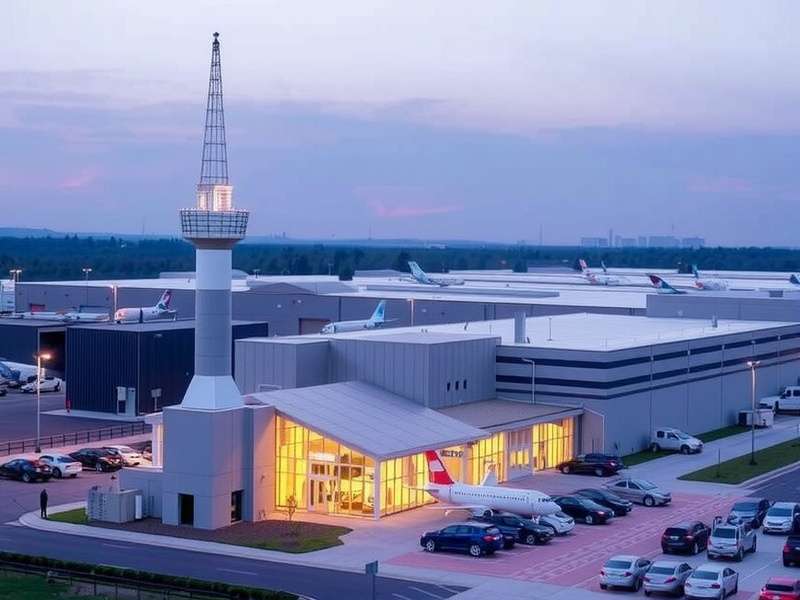
NAL conducts multidisciplinary research across various domains of aerospace technology, developing innovative solutions for both civil and defense applications.
Advanced computational fluid dynamics (CFD), wind tunnel testing, flight testing, and aerodynamic design optimization for aircraft, missiles, and launch vehicles.
Development and testing of advanced composite materials, structural analysis, fatigue and fracture mechanics, and structural health monitoring systems.
Research on gas turbine engines, scramjet propulsion, alternative fuels, energy-efficient systems, and thermal management for aerospace applications.
Design and development of flight control systems, navigation systems, communication systems, and mission computers for aerospace platforms.
Development of unmanned aerial vehicles (UAVs) for surveillance, reconnaissance, and civilian applications, including autonomous flight systems.
Development of safety standards, certification methodologies, airworthiness procedures, and regulatory compliance for aerospace systems.
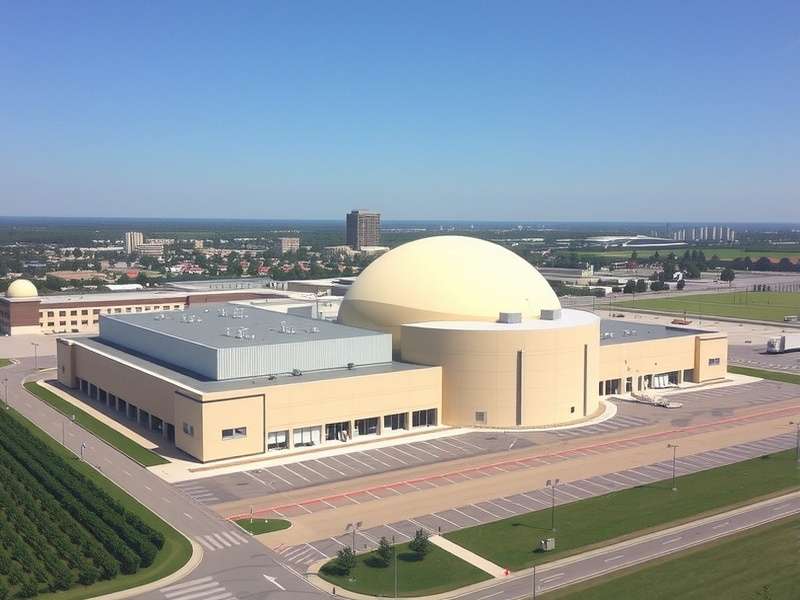
NAL houses some of the most advanced aerospace research facilities in Asia, supporting both indigenous programs and international collaborations.
One of the largest and most advanced wind tunnels in Asia, capable of testing at subsonic, transonic, and supersonic speeds. Used extensively for aerodynamic testing of aircraft, missiles, and launch vehicles.
State-of-the-art facility for design, manufacturing, and testing of advanced composite structures for aerospace applications. Features autoclaves, compression molding, and filament winding machines.
Advanced flight simulators with full-motion capability for pilot training, flight control system development, and human factors research. Features high-fidelity visual systems and control loading.
Comprehensive facility for static, fatigue, and fracture testing of aerospace structures. Includes multi-axis loading systems, environmental chambers, and advanced instrumentation.
Over six decades of pioneering contributions to India's aerospace sector and technological self-reliance.
National Aerospace Laboratories established in Bangalore under the Council of Scientific & Industrial Research (CSIR).
Commissioned India's first low-speed wind tunnel, marking the beginning of indigenous aerodynamic testing capabilities.
Developed HF-24 Marut fighter aircraft's flight control system, India's first indigenous fighter jet.
Successfully designed and developed the SARAS aircraft, India's first indigenous multi-purpose civilian aircraft.
Commissioned the Trisonic Wind Tunnel, one of Asia's largest and most advanced wind tunnel facilities.
Critical contributions to the Light Combat Aircraft (LCA) Tejas program, including aerodynamics, structures, and flight testing.
Developed advanced composite structures for India's space program, including components for PSLV and GSLV launch vehicles.
Successfully tested indigenous UAVs for surveillance and reconnaissance missions, deployed by Indian armed forces.
Pioneered green aviation technologies including biofuels and electric propulsion systems for sustainable aviation.
Stay updated with the latest developments, research breakthroughs, and events at National Aerospace Laboratories.
National Aerospace Laboratories has initiated a comprehensive research program to develop sustainable aviation fuels from indigenous sources, aiming to reduce aviation's carbon footprint.
Read More
NAL signs Memorandum of Understanding with European Space Agency for joint research in composite materials for space applications, marking a significant step in international cooperation.
Read More
NAL's newly developed unmanned aerial vehicle successfully completes high-altitude endurance tests, capable of operating at 50,000 feet for surveillance and communication relay missions.
Read MoreGet in touch with National Aerospace Laboratories for collaborations, research inquiries, or technical assistance.
National Aerospace Laboratories
Post Bag No. 1779, Kodihalli
Bangalore - 560 017
Karnataka, India
Telephone: +91-80-2508-6001
Fax: +91-80-2526-0911
Email: [email protected]
Emergency: +91-80-2508-6111
Monday - Friday: 9:00 AM - 5:30 PM
Saturday: 9:00 AM - 1:00 PM
Sunday: Closed
Public Holidays: As per Government of India